Spot Billing & Revenue Management for Power Sector Reforms
As part of power sector reforms, UPPCL has been restructured into five state-owned distribution corporations with distinct functions in power generation, transmission, and distribution.
Consumer billing and revenue realization are core to these DISCOMs, and to meet emerging functional requirements, accurate reporting, and improved commercial performance, many services are now being outsourced.
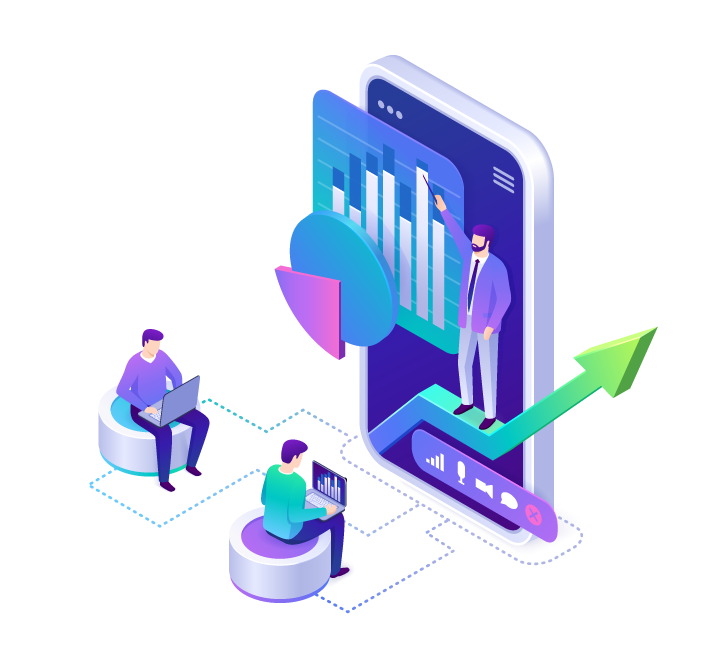
Traditional billing systems—computerized for over 20 years—required multiple visits for meter reading and bill delivery, demanding high manpower and time. Early attempts to have consumers self-report readings at counters saw very low response.
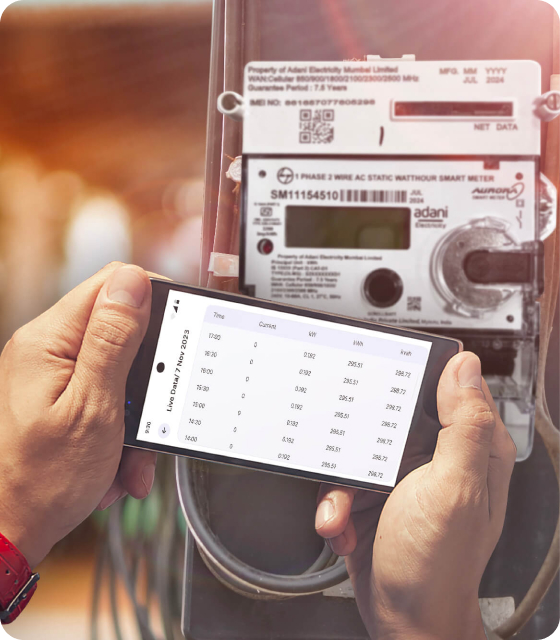
With the advent of portable computing devices, spot billing emerged: meter readers now visit consumer premises, capture readings, generate bills instantly, and collect cheque payments on the spot—streamlining the entire cycle.
Step-by-Step Implementation
To further enhance billing and energy accounting, the process is carried out in structured steps:
One-Time Activities
Identify traceable and untraceable utility consumers to initiate the process.
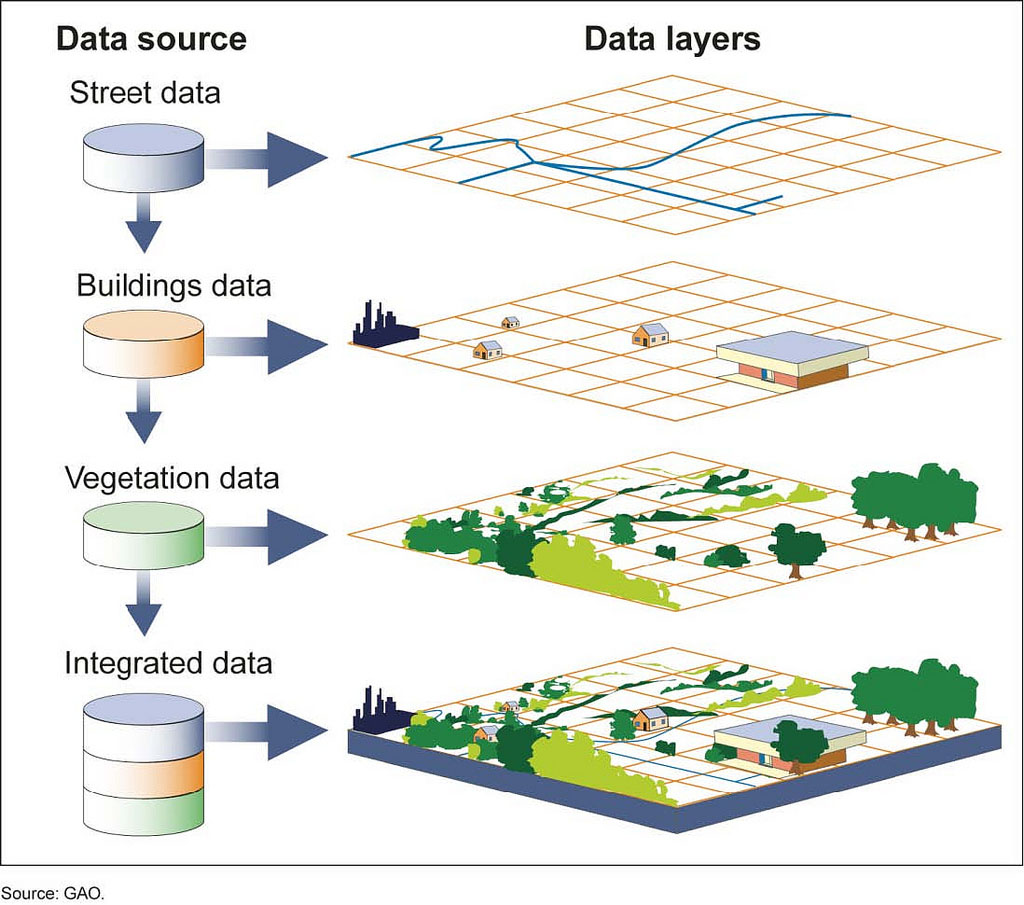
Conduct GIS mapping, route preparation, and consumer indexing to establish a clear billing structure.
Assign logical coding and link each index to consumer records.
Monthly Activities
Maintain and update the master database on the billing server.
Upload data to handheld devices for on-site billing.
Record meter readings, generate and deliver bills, and collect cheque payments on the spot.
Deposit collected cheques into designated bank accounts and reconcile them.
Upload daily billing and collection data to the server for central processing.
Update electrical addresses (e.g., poles, premises) as required after GIS mapping.
Survey and register all new connections before the next billing cycle.
Report energy meter conditions, including placement, working status, and maximum load utilized.
Issue disconnection notices to defaulters, follow up on payments, and execute disconnections if unpaid.
Monitor disconnected consumers and submit status reports to subdivisions within 24 hours.
Conduct energy accounting at the 33KV substation level for accurate tracking.
Benefits
Key advantages that make billing faster, safer, and smarter.
Reduced Manpower & Time
One-visit, on-site billing saves significant operational effort.
Improved Revenue Realization
Faster billing cycles and immediate payment options enhance cash flow.
Enhanced Transparency
Digital processes minimize human error and manipulation.
Regulatory Compliance
Provides accurate, timely reports for governing authorities.
Better Consumer Experience
Bills delivered instantly at the consumer’s doorstep.